Stage & Step is an independent editorial resource devoted to one of America’s most original art forms: tap dance, and the musical-theater craft that grew up alongside it. We write about rhythm and technique, about the choreographers who shape a number and the dancers who make it land, and about the long, restless history that carried tap from street corners and vaudeville stages to the heart of the Broadway musical.
This is not a fan site or a portfolio. It is a reference — a place to read clearly written, carefully sourced articles about how tap actually works, where it came from, and why it still matters on the American stage. Whether you are a student learning your first time step, a theatergoer curious about what you saw last night, or an educator building a lesson, our aim is the same: to explain the craft with respect and precision.
What you’ll find here
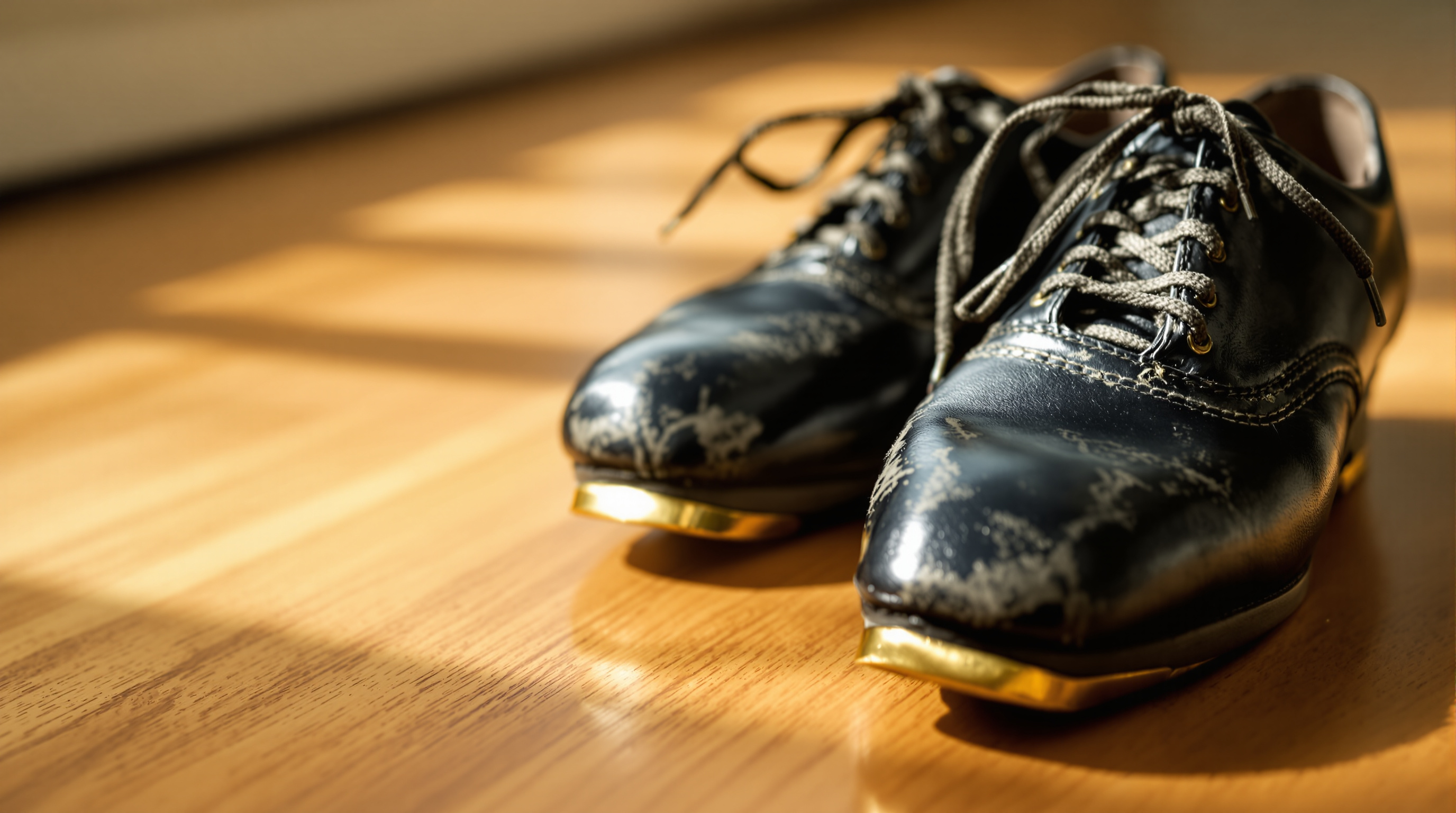
Our articles fall into a few broad families. Together they form a rounded picture of an art that lives in the space between music and movement.
- History — how African and Irish rhythmic traditions met on American soil and became something entirely new, from minstrelsy and vaudeville through Hollywood and the Broadway golden age to the rhythm-tap revival.
- Technique & vocabulary — the working language of the form: shuffles and flaps, ball changes and time steps, wings, pullbacks, and cramp rolls.
- Style — the difference between percussive rhythm tap and the visual, ensemble-driven tap of the Broadway show.
- Choreography — how a dance is built, staged, and taught, and what a choreographer actually does in the room.
- Artists — editorial profiles of the figures who defined the tradition.
An art built on rhythm
Tap is unusual among dance forms because it is also a form of music. The dancer is a percussionist whose instrument is the floor. A great tap phrase can be transcribed like a drum solo; a great hoofer can trade fours with a jazz band and hold their own. That double identity — dancer and musician at once — is what gives tap its particular thrill, and it is the thread that runs through nearly everything we publish. To understand a single time step is to understand a small, portable piece of American music history.
Organizations such as the American Tap Dance Foundation and archival collections at the Library of Congress have spent decades preserving this heritage. We draw on that scholarship and point you toward it, because the best way to love an art form is to know where it came from.
The city in the story
New York City runs through this history like a spine. It was in the theaters of Broadway and the clubs of Harlem that tap found its largest stages and its fiercest competition, and it is still the place where a working dancer measures themselves against the tradition. Our article on New York and the American musical traces that relationship — a city and an art form that grew up together.
Tap beyond the theater
Most writing about tap follows the professionals — but the form’s largest constituency now sits in community studios rather than on a stage. Adult beginners and returning dancers, many picking the shoes back up decades after a childhood recital, have become the backbone of tap education in cities well outside New York, and the reason many studios still run a weekly tap class. That audience deserves the same seriousness as the professional one, which is why we write about what a life in dance actually asks of a body alongside history and technique. The art belongs to anyone willing to stand on a floor and count.
Start reading
If you are new to the form, begin with the history of American tap dance for the long view, then move to technique and vocabulary to learn the language. From there, follow your curiosity — into the choreographer’s craft, the life of the working dancer, or the glossary when a term trips you up. The stage is set. Take a step.